The Safe in the Closet
Tuesday Issue
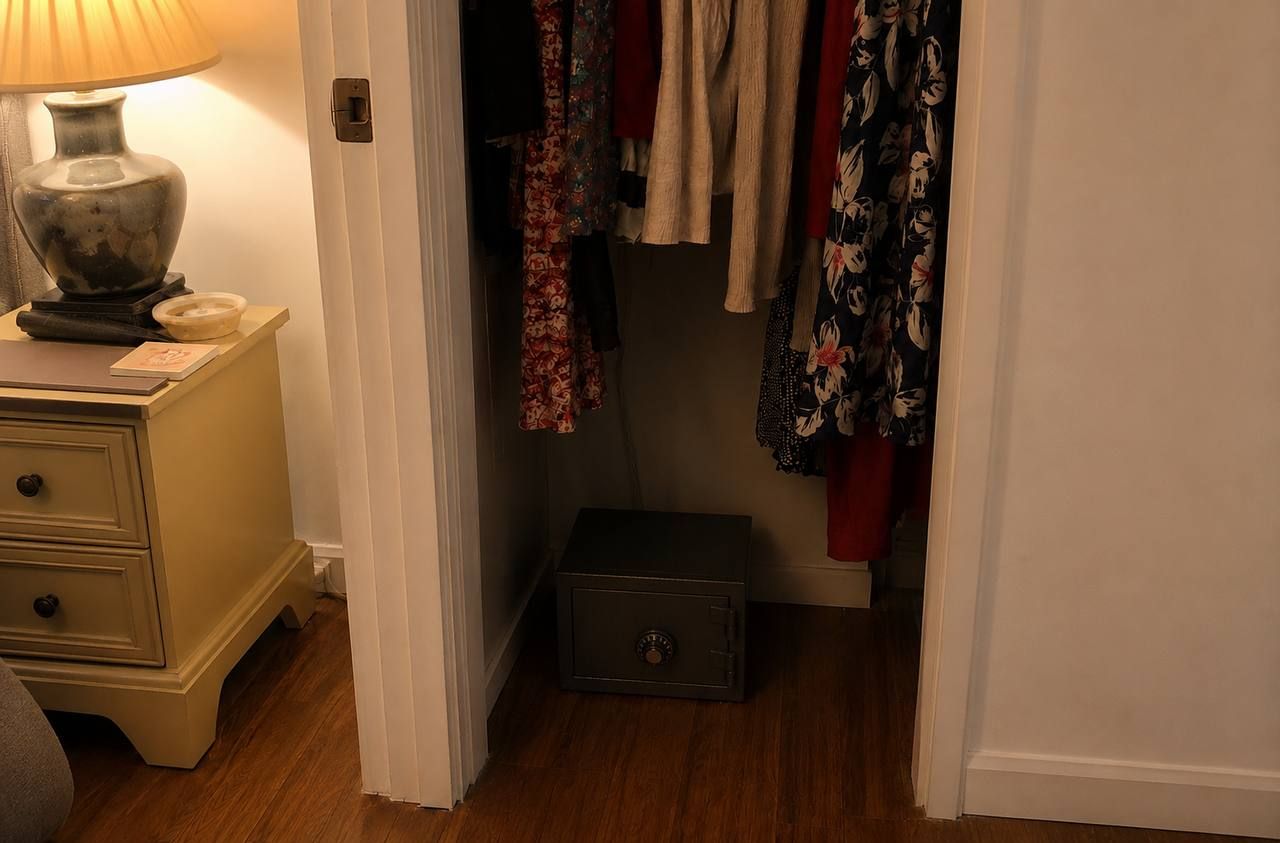
My client — I’ll call him David — called me on a Thursday in March. His mother had died six weeks earlier. The estate was mostly closed. One thing left: a safe in the bedroom closet that nobody could open.
“We don’t have the combination,” he said. “We never knew there was a safe.”
I drove out on a Saturday morning. The safe was small — about the size of a shoebox. The kind you can buy at a hardware store for $60. It had been there long enough that the carpet around it was a slightly different color. We called a locksmith. He opened it in eleven minutes.
Most of what people lock away isn't valuable.
It's unresolved.
Inside:
A savings passbook from a bank that no longer existed. Last updated 1987. Balance: $0.
Three pieces of jewelry in a velvet pouch. No note. No names.
A folded piece of paper with seven phone numbers written in pencil. No names next to any of them.
A photograph. A woman David had never seen before. On the back, in his mother’s handwriting: just in case.
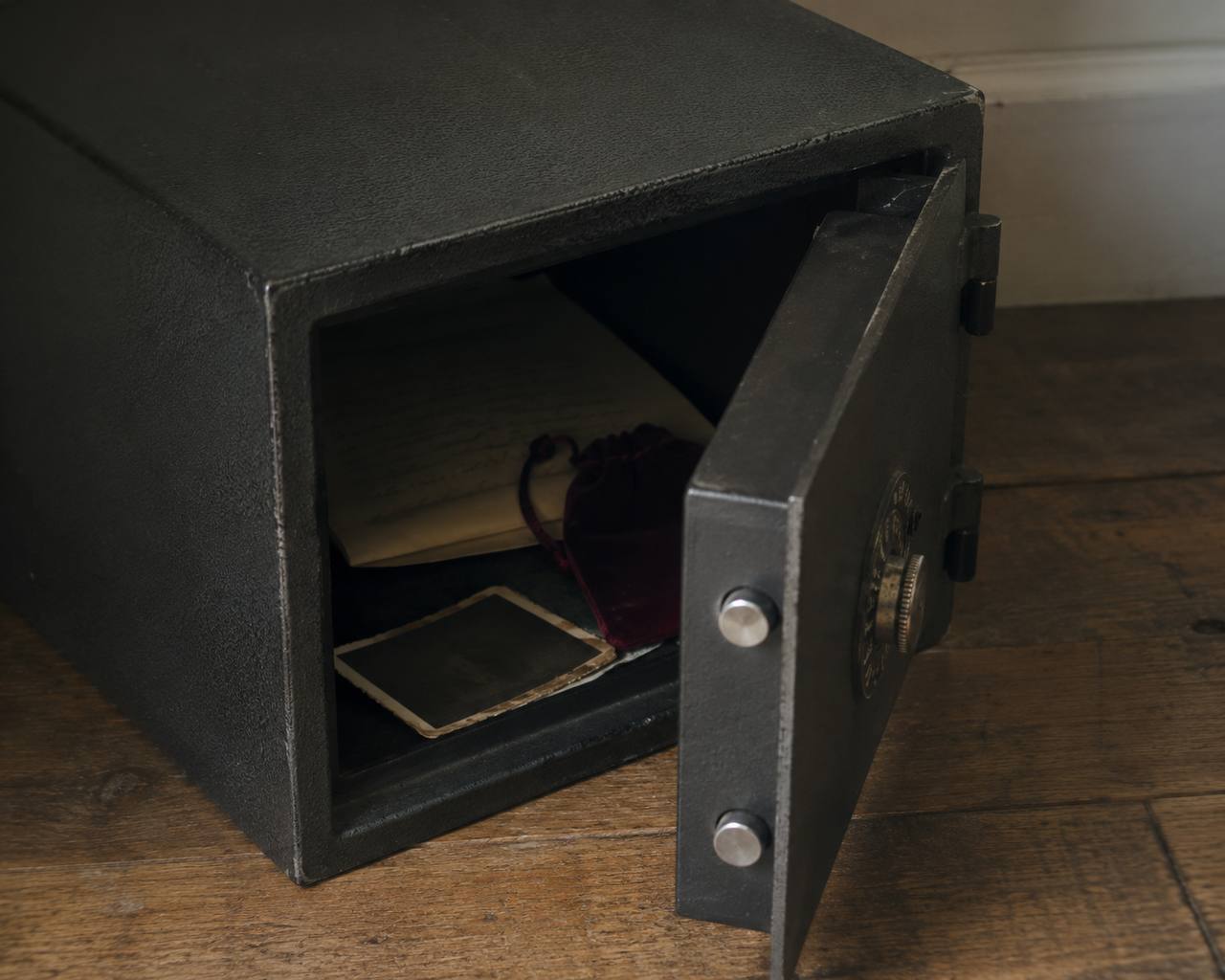
David stood there for a long time. He never found out who the woman was. The phone numbers were all disconnected. The jewelry went to his sister. The photograph he kept.
“I don’t know why she kept it,” he told me later. “I don’t know why she didn’t tell me about it. I don’t know which one bothers me more.”
The safe isn’t protecting money — it’s protecting a decision that never got made. The combination was never written down because writing it down meant admitting the safe existed. And admitting the safe existed meant someone would eventually ask what was in it.
Some things get locked away not because they’re important. Because they’re complicated.
— Martin, Cincinnati OH