Keys
Monday
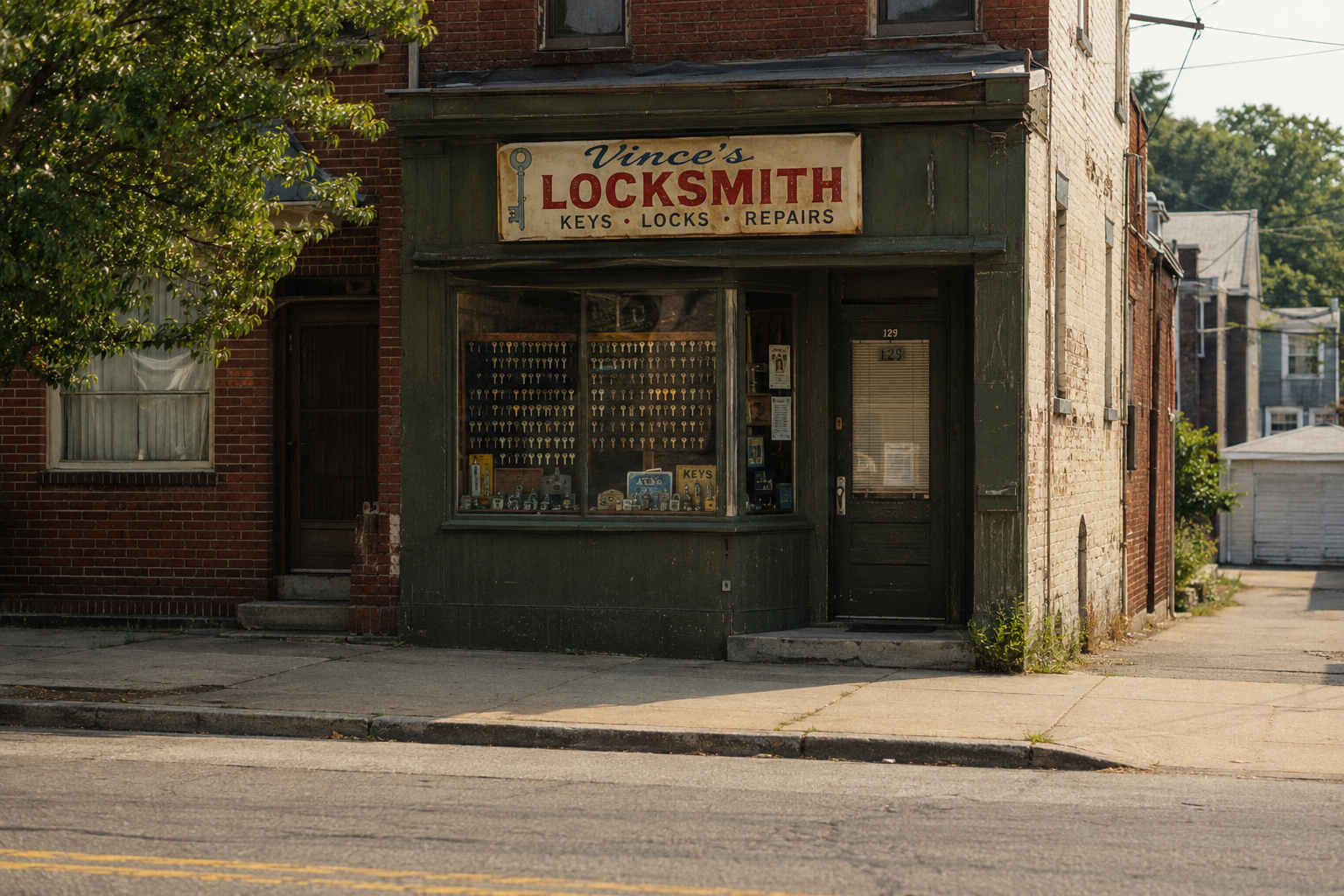
I’ve found a lot of keys over the years.
In drawers, in coat pockets, in envelopes, in the bottom of boxes that hadn’t been opened in a decade. Keys on plain metal rings with no label. Keys taped to index cards with no explanation. Keys that fit nothing in the house they came from.
I’ve brought a lot of them to locksmiths. The answer is almost always the same: it’s a standard cut, could open anything, no way to trace it.
A house in Dayton, 2009. Three keys on a ring in the kitchen junk drawer. The family tried every lock in the house. None of them fit. The daughter thought maybe a storage unit. There was no storage unit anyone knew about. The keys went into a box with everything else they couldn’t explain.
Columbus, 2014. A single key in an envelope in the back of a filing cabinet. The envelope was sealed. On the front, in the deceased’s handwriting: do not use. The family didn’t open it for three weeks. When they finally did, the key inside was ordinary — the kind that opens a padlock. They never found the padlock.
Cincinnati, 2018. A key taped to the underside of a dresser drawer. No note, no context. The family found it only because they were moving the dresser out. Their best guess: a safe deposit box at a bank their father had used in the 1980s. The bank had been acquired twice since then. The trail went cold.
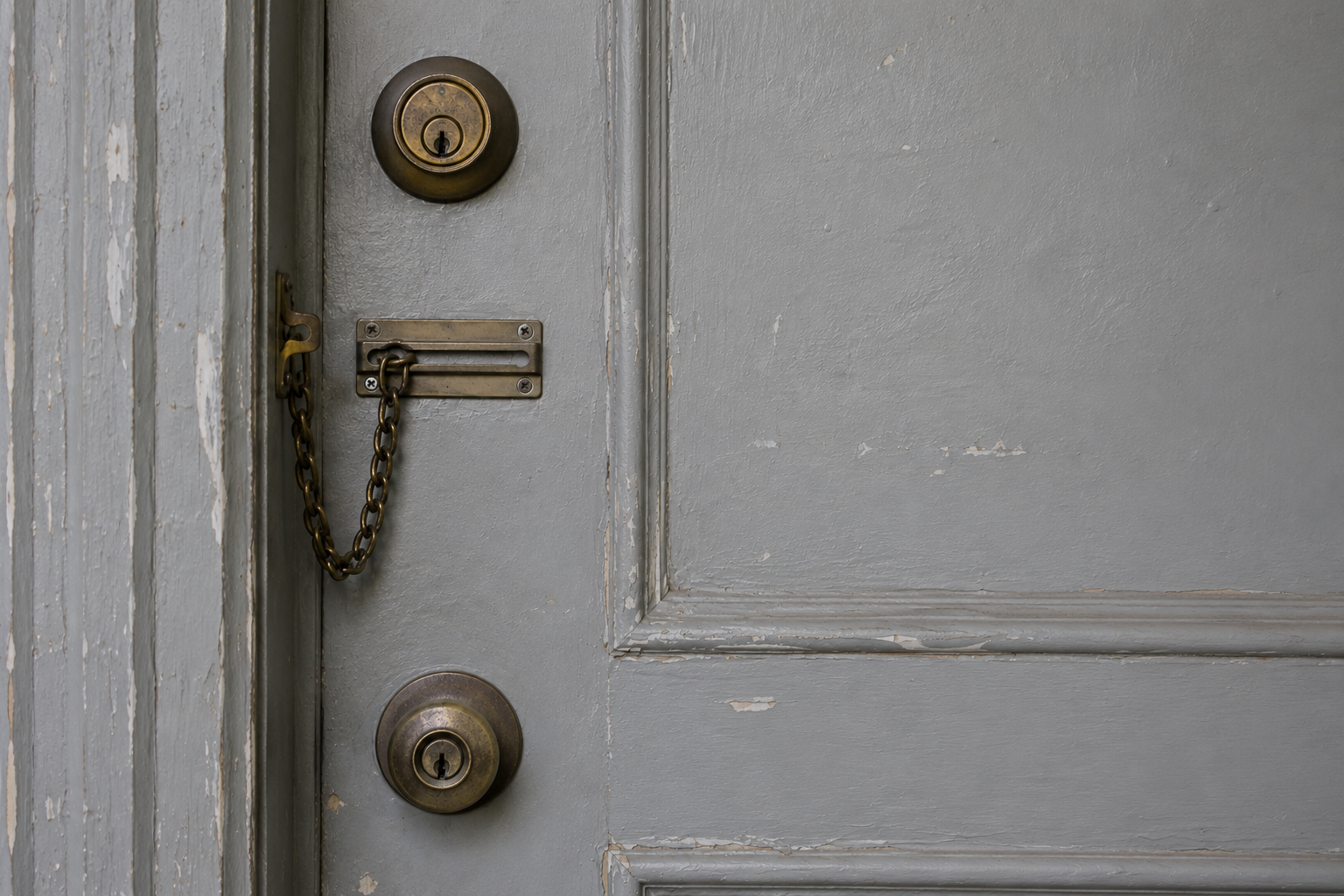
I’ve thought about this more than is probably reasonable.
A key is an intention. Someone made it, kept it, put it somewhere deliberate. They meant to use it again, or they meant for someone else to use it, or they just couldn’t bring themselves to throw it away because throwing it away meant giving up on whatever it opened.
Most of the keys I’ve found over the years never got explained. The families kept some of them anyway. I understand why. There’s something hard about throwing away a key when you don’t know what it was for.
— Martin, Cincinnati OH